

This English version was translated from the Chinese original with AI assistance. The Chinese text is authoritative.
In the colloquial speech of daily life there are some very common words whose characters most people probably cannot write or recognize. Fifteen are listed below — how many do you know?
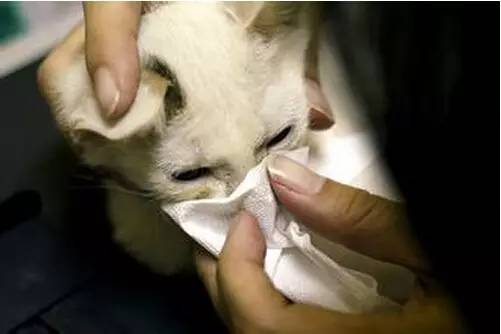
擤
【Pronunciation】xǐng
【Meaning】To pinch the nose and blow out mucus: ~鼻涕 (blow one’s nose).
【Example】赶紧把你鼻涕擤擤。 (Hurry up and blow your nose.)
薅
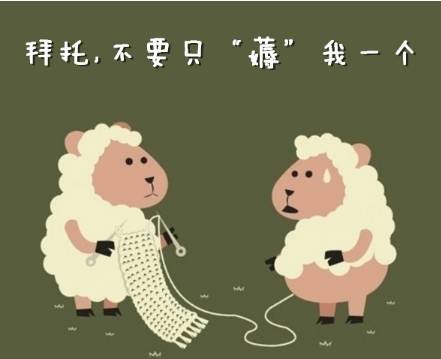
【Pronunciation】hāo
【Meaning】To remove. 薅草 means pulling up weeds.
【Example】薅羊毛 (literally “pluck the sheep’s wool,” i.e. take advantage of freebies).
掇

【Pronunciation】duō
【Meaning】To pick up; to pluck: ~拾 (tidy up). ~弄 (fiddle with).
【Example】看你房间乱得,赶紧拾掇拾掇。 (Look how messy your room is — hurry up and tidy it.)
剌
【Pronunciation】lá
【Meaning】To slit; to cut open.
【Example】小偷把我包剌开了! (A thief slit my bag open!)
趿
【Pronunciation】tā
【Meaning】To shuffle along with one’s shoes dragging.
【Example】你能不能好好走路,别老趿拉个鞋子。 (Can’t you walk properly instead of always dragging your shoes?)
劐
【Pronunciation】huō
【Meaning】To slit something open with the tip of a knife in one stroke.
【Example】劐开鱼肚子 (slit open the fish’s belly); often miswritten as 豁.
皴
【Pronunciation】cūn
【Meaning】Accumulated grime on the skin.
【Example】看你这身上的皴,多长时间没洗澡了? (Look at the grime on you — how long since you last bathed?)
绰
【Pronunciation】chāo
【Meaning】To grab up in a hurry.
【Example】他绰起个酒瓶子就砸了上去! (He grabbed a wine bottle and smashed it down!)
跐
【Pronunciation】cī
【Meaning】To scold, to rebuke
【Example】妈妈跐儿子一顿 (Mother gave her son a scolding)
齁
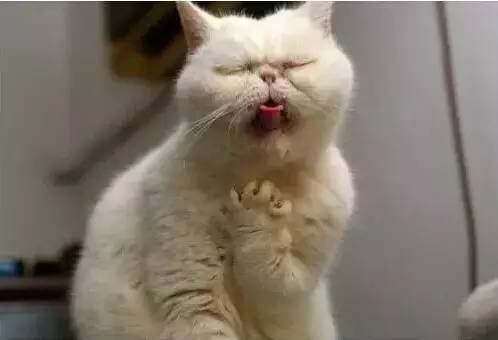
【Pronunciation】hōu
【Meaning】Very; of food, too sweet or too salty
【Example】菜咸得齁嗓子。 (The dish is so salty it burns the throat.)
尥

【Pronunciation】liào
【Meaning】Of mules, horses and the like: to leap up and kick backward with the hind legs.
【Example】说你两句怎么了,别给我尥蹶子! (What’s wrong with my saying a few words to you? Don’t kick up a fuss at me!)
拃
【Pronunciation】zhǎ
【Meaning】To measure length with the thumb and middle finger (or little finger) spread apart. As a measure word, the distance between the tips of the outspread thumb and middle finger (or little finger), a hand-span: 两~宽 (two spans wide).
【Example】这个桌子有十拃宽。 (This table is ten hand-spans wide.)
熥
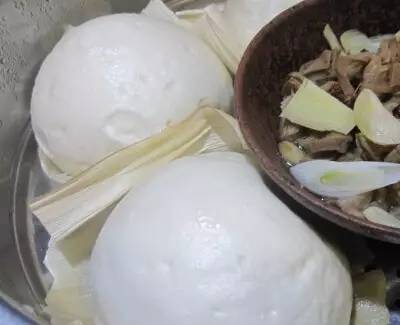
【Pronunciation】tēng
【Meaning】To reheat food that is already cooked.
【Example】馒头凉了,熥熥再吃。 (The steamed buns have gone cold; heat them up before eating.)
膙
【Pronunciation】jiǎng
【Meaning】〔~子〕Hard skin on the palms or soles caused by friction; a callus.
【Example】看你手上都起膙子了 (Look, your hands have got calluses)
扽
【Pronunciation】dèn
【Meaning】To pull; to give a sharp tug so as to straighten or smooth: 把绳~直 (pull the rope straight). 把衣服~平 (tug the clothes smooth).
【Example】你别老扽着我…… (Stop tugging at me all the time…)
