

This English version was translated from the Chinese original with AI assistance. The Chinese text is authoritative.
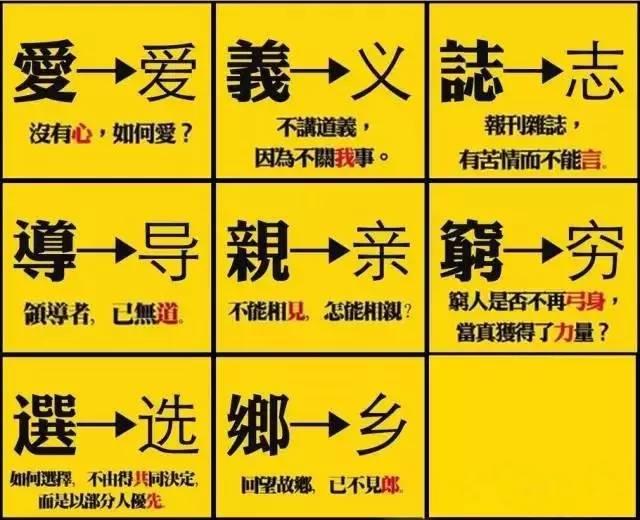
There has been much discussion of simplified Chinese characters. This writer has summed up the real-life counterparts of 43 characters, and reading them is startling. Whether the simplification of the characters led to these realities, or was an omen of them, one cannot tell. In any case, it is an indisputable fact that the simplified characters have lost the moral education they originally carried.
What can “shake heaven and earth and make ghosts and spirits weep”? And where does the allusion of this phrase come from? According to ancient records: When writing was created, heaven rained millet, ghosts wailed at night, and dragons went into hiding. That is to say, once Chinese characters appeared, creation could no longer hide its secrets, so heaven rained down millet; ghosts and monsters could no longer conceal their forms, so ghosts wailed at night.
Chinese characters are like a demon-revealing mirror: even the traces of ghosts and monsters under the earth can be known. With nowhere left for their forms to hide, the ghosts felt grief, and so they wept at night. Thus Chinese characters are something divine, and they carry portents. But if characters are created recklessly, chaos is bound to follow.
Today, let us open our eyes and see how the simplified characters have in the end been borne out, in every respect, in the real life that followed:
親(亲)
亲 (qīn, “kin”) has lost 見 (“see”): in a year one rarely sees one’s parents. Romancing everywhere and sowing wild oats, one’s children are seldom by one’s side.
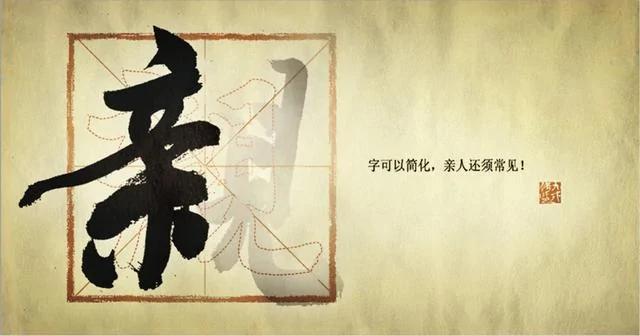
Family must still see each other often
(Reference image from the web)
產(产)
产 (chǎn, “produce”) has lost 生 (“birth”): abortions are seen everywhere. Good farmland lies abandoned all around; people want no grain, only money.
鄉(乡)
乡 (xiāng, “village”) has lost its 郎 (“young men”): everyone rushes off to the city. Young faces are rarely seen in the village; only the old, the weak, the sick and the disabled remain.
愛(爱)
爱 (ài, “love”) has lost its 心 (“heart”): ask how many have true feelings. Casual flings are everywhere; as long as there’s money, you’re dear.
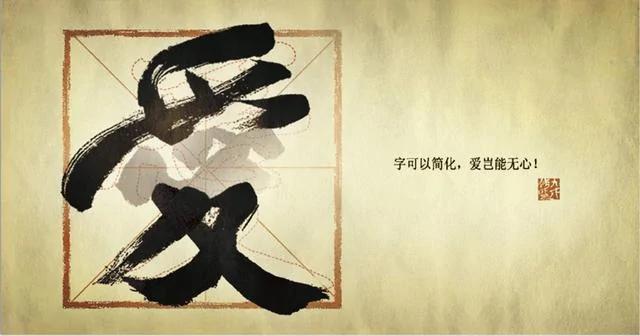
How can love be without heart?
(Reference image from the web)
備(备)
备 (bèi, “prepare”) has lost its 人 (“person”): are we to rely on the gods to keep reserves? Resources are exhausted and the fields all taken; no thought for children and grandchildren, only for oneself.
厰(厂)
厂 (chǎng, “factory”) is empty: the firms’ funds are sunk into property. Exorbitant taxes and arbitrary fees; the people leave, the buildings stand empty, and poverty naturally follows.
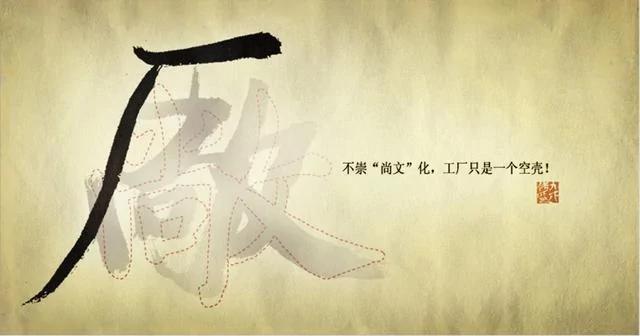
Without honouring “尚文” (literally “esteeming culture,” the components of 敞 inside 厰), a chemical factory is only an empty shell
(Reference image from the web)
麵(面)
面 (miàn, “flour, noodles”) has lost its 麥 (“wheat”): you can guess the reason why. The flour has no aroma of wheat — in fact it is laced with rongalite (a toxic bleaching agent).
進(进)
进 (jìn, “advance”) is not 佳 (“good”): walking into a well (井), one becomes fish and shrimp. One’s career is like the moon in the water, and seeking wealth like flowers in a mirror.
應(应)
应 (yìng, “respond, promise”) has lost its 心 (“heart”): verbal promises rarely come true. Scheming and shameless trickery — no wonder there is no good faith in the world.
衛(卫)
卫 (wèi, “defend”) has lost 行 (“going”): how then can it march on a distant campaign? If one cannot even protect one’s own homeland, how can the world enjoy peace?
聽(听)
听 (tīng, “listen”) has lost its 耳 (“ear”) — don’t laugh at this explanation. Go and look at a big meeting: how many are not asleep?
導(导)
导 (dǎo, “guide”) has lost its 道 (“Way”): how can teaching be done like this? Talking at random as the fancy takes them, self-righteous and unashamed.
優(优)
优 (yōu, “excellent”) needs 忧 (“concern”): those who worry for the world are hardest to find. Imitating faults (尤, “fault”) is worse still; such people make one despair.
採(采)
采 (cǎi, “pick, gather”) has lost its 手 (“hand”): where is such gathering to be found? Everyone wants something for nothing; everyone seeks to wangle and take shortcuts.
嚐(尝)
尝 (cháng, “taste”) has lost its 口 (“mouth”): good or bad, it all goes by feeling. Don’t dream of delicacies from land and sea; firewood, rice, oil and salt are worry enough.
孫(孙)
子 joined to 系 makes 孫 (sūn, “grandson”); 子 with 小 differs greatly from 子 with 系. 子小 (“child small”) is after all still a son (子) — can it be that the daughter-in-law is seducing the father-in-law?
實(实)
实 (shí, “solid, substantial”) has lost its 貫 (“string of coins”): at home there is not even a rotten string of cash. With only heads and no money to spend, such “substance” is truly pitiful.
質(质)
质 (zhì, “quality”): quality has gone bad, and everyone is harmed. Food laced with poison and fakes — this is the greatest sorrow of China!
敵(敌)
舌 (“tongue”) makes 敌 (dí, “enemy”): be careful in your words and speeches. The contending of a hundred schools is only for show; you must speak in the same tone as me.
舘(馆)
舍 (“lodging”) is pushed aside: everything puts food (饣) first. Academies and martial-arts halls are rice buckets (good-for-nothings); wine sacks and rice bags (idlers) write a new chapter.
恥(耻)
耻 (chǐ, “shame”) has lost its 心 (“heart”): conscience entirely lost, hard to restrain. Instead of helping the weak, they prey on them.
曆(历)
历 (lì, “calendar”) has lost its 日 (“sun, day”): if I didn’t tell you, you wouldn’t know. Without the sun it is a long night; get through the hard days and don’t be extravagant.
寧(宁)
宁 (níng, “peace”) has lost its 心 (“heart”): said like this, no one believes it. Disaster strikes while sitting at home — forced demolitions, officials harassing the people.
勝(胜)
胜 (shèng, “victory”) has lost its 券 (“certainty”): one can only drag out an ignoble existence. Before the powerful, a servile face; before the weak, a ferocious one.
傑(杰)
杰 (jié, “hero”) has lost its 人 (“person”): how can great deeds be achieved? Names not matching reality are everywhere; the shoddy passes for the good and the fake for the real.
歡(欢)
又 (“again”) with 欠 (“owe”) makes 欢 (huān, “joy”): everyone borrows money and doesn’t want to repay. When the bank presses, they run away — they have a home abroad anyway.
難(难)
又 with 隹 makes 难 (nán, “difficult”): such simplification is truly absurd. Extreme joy turning to sorrow is hard to predict; one sudden change and disaster strikes.
邊(边)
边 (biān, “border”) has lost its 旁 (“side”): walking is laborious and unsightly. Mongolia was originally Chinese land — does it count as a frontier or not?
癡(痴)
疑 (“doubt”) becomes 知 (“know”): knowing within sickness (疒) you call 痴 (chī, “foolish”). Lies upon lies cannot be exposed — is only muddle-headedness wise?
筆(笔)
笔 (bǐ, “brush, pen”) is not straight: history is often written with a crooked brush. Writing history with an honest brush has always existed, but now this tradition is long lost.
樂(乐)
乐 (yuè/lè, “music, joy”) has lost its 絲 (“strings”): whether you are joyful, you yourself know. Only a wooden frame with strings and bamboo is called music; being told you are happy is hard to sustain.
驚(惊)
The heart (忄) harbours the capital (京): can it be that officials harm the people? In ancient times only horses (馬) were startled (驚); now it is people who are startled.
賓(宾)
Soldiers (兵) come into the house (宀): since ancient times this has been called the state of a chaotic age. When honoured guests (賓) come, the 貝 (“shell, wealth”) is missing; a grand feast to entertain them shows sincere regard.
慄(栗)
栗 (lì, “tremble”) has lost its 心 (“heart”): no one believes in the dread of the law. Embezzlement and corruption are everywhere; power replacing law is the reality.
懷(怀)
The heart (忄) does not hold close: if the heart is unwilling, how can it be called 怀 (huái, “embrace, cherish”)? With hearts unwilling, people are unhappy; few faces break into smiles.
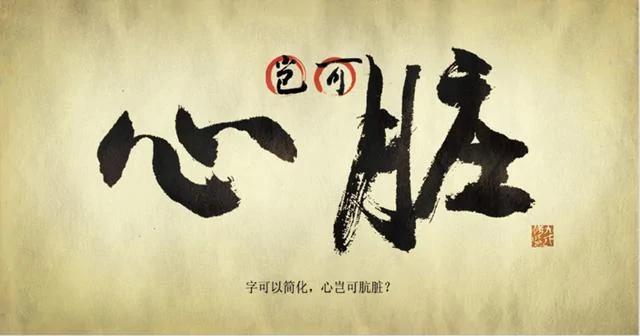
Chinese characters can be simplified, but how can the heart be allowed to grow filthy?
(Reference image from the web)
豐(丰)
丰 (fēng, “abundant”) is rotten through: the ears of wheat have no enclosure, and the 豆 (“beans”) are missing. Harvest figures are fabricated; every year output is high.
窮(穷)
穷 (qióng, “poor”) is not poor: rich men live in social housing. Insatiably greedy, they only regret having too little — such a world is truly unjust.
達(达)
达 (dá, “reach”) does not reach (達): everything depends on a word from the officials. If you say down, it must go down; if you say it reaches up, it reaches up.
礎(础)
石 (“stone”) with 出 (“out”) makes 础 (chǔ, “foundation”): no wonder foundations are not solid. Rotten roads, broken bridges, crumbling buildings — people submit in word but not in heart.
矇(蒙)
蒙 (méng, “blind, deceive”) has lost its 目 (“eye”): self-immolations are turned a blind eye to. Everyone says only a settled home makes for contented work, yet to grab money they harm the innocent.
廟(庙)
庙 (miào, “temple”) has lost its 朝 (“court, homage”): atheism is the creed. If one fears neither ghosts nor gods, one naturally plots boldly.
網(网)
A net without silk (絲) is useless; the fish that slip through the net are truly many. A net without silk — such practice is not to be borne. The law is like silk thread; when power replaces law, there are no rules.
