

This English version was translated from the Chinese original with AI assistance. The Chinese text is authoritative.
Here are more than 100 Chinese place names that are most easily misread. See how many you used to get wrong.
Beijing Municipality
潭柘寺 (Tanzhe Temple): 柘 is read zhè; the temple has a history of 1,700 years
爨底下 (Cuandixia): 爨 is read cuàn, meaning to light a fire and cook
妫水河 (Guishui River): 妫 is read guī; in the Spring and Autumn period there was a beauty named Xi Gui
大栅栏 (Dashilar): shílànr, note the -r suffix
演乐胡同 (Yanyue Hutong): here 乐 is read yào
Tianjin. (Image from the web)
Tianjin Municipality
蓟县 (Ji County): 蓟 is read jì, a herbaceous plant
铃铛阁 (Lingdang Pavilion): here 阁 is read gǎo; the three treasures of Tianjin Wei are the Drum Tower, the Fort and Lingdang Pavilion
双港 (Shuanggang): here 港 is read jiǎng
宜兴埠 (Yixingbu): the standard reading of 埠 is bù, but here it is read fǔ
Hebei. (Image from the web)
Hebei Province
蔚县 (Yu County): 蔚 is read yù, not wèi
井陉 (Jingxing): 陉 is read xíng, not jīng
蠡县 (Li County): 蠡 is read lǐ; while you’re at it, remember Fan Li, who is associated with Xi Shi
藁城 (Gaocheng): 藁 is read gǎo; in poetry “藁砧” refers to a husband
涿州 (Zhuozhou): 涿 is read zhuō
乐亭 (Laoting): lào ting, with 亭 in the neutral tone
Shanxi. (Image from the web)
Shanxi Province
隰县 (Xi County): 隰 is read xí, as in the Book of Songs, “Wei Feng, Mang”: “the marsh (隰) has its bank”
洪洞 (Hongtong): 洞 is read tóng, as in “Su San has left Hongtong County”
临汾 (Linfen): 汾 is read fén, as in the Fen River and Fenjiu liquor
忻州 (Xinzhou): 忻 is read xīn
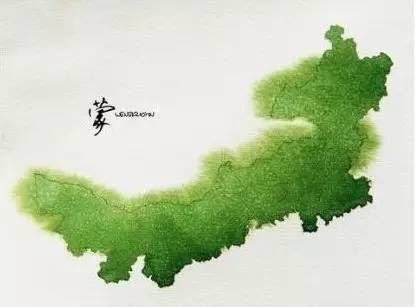
Inner Mongolia. (Image from the web)
Inner Mongolia Autonomous Region
扎赉诺尔 (Zhalainuo’er): 赉 is read lài, meaning to bestow or reward
巴彦淖尔 (Bayannur): 彦 is read yàn and 淖 should be read nào, as in Lin Daiyu’s “Burying the Flowers”: “better than sinking in the mud (淖) of a ditch”
磴口 (Dengkou): 磴 is read dèng.
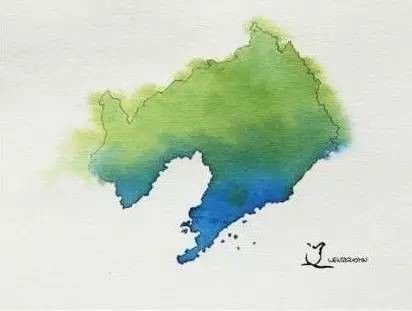
Liaoning. (Image from the web)
Liaoning Province
阜新 (Fuxin): 阜 is read fù, easily misread as “bù” or “fǔ”
桓仁 (Huanren): 桓 is read huán
岫岩 (Xiuyan): 岫 is read xiù; jade is produced here, called Xiu jade
Jilin Province
珲春 (Hunchun): 珲 is read hún; note the difference from the 珲 of Aihui below
桦甸 (Huadian): 桦 is read huà
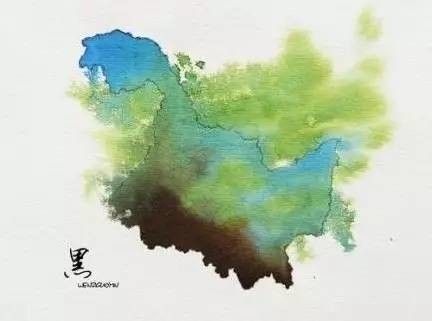
Heilongjiang. (Image from the web)
Heilongjiang Province
穆棱 (Muling): 棱 has more than one reading; here it is read líng, not léng
讷河 (Nehe): 讷 is read nè
肇州 (Zhaozhou): 肇 is read zhào, meaning to begin; the Jin dynasty regarded this as the place where “the ancestors began to rise”
瑷珲 (Aihui): read ài huī; the “Treaty of Aigun” in the history books was signed here. It was renamed 爱辉 in 1956 and restored to 瑷珲 in 2015.

Shanghai. (Image from the web)
Shanghai Municipality
莘庄 (Xinzhuang): 莘 is read xīn, not shēn; but the 莘 of Shen County in Shandong is read shēn, not xīn
五厍 (Wushe): 厍 is read shè; note it has one dot fewer than the 库 of 车库 (garage)
颛桥 (Zhuanqiao): 颛 is read zhuān; thinking of the homophone 砖桥 (“brick bridge”) makes it easier to remember
薀藻浜 (Wenzaobang): 薀 is read wēn and 浜 is read bāng
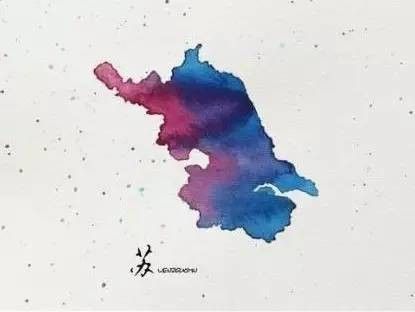
Jiangsu. (Image from the web)
Jiangsu Province
盱眙 (Xuyi): read xūyí; remember that this place is famous for crayfish
邗江 (Hanjiang): 邗 is read hán; a section of the Beijing-Hangzhou Grand Canal is called the “Han Canal” (邗沟)
邳州 (Pizhou): 邳 is read pī
甪直 (Luzhi): 甪 is read lù; note it has one stroke fewer than 角
栟茶 (Bencha): 栟 is read bēn
浒墅关 (Xushuguan): 浒 is read xǔ, not hǔ as in Water Margin (水浒传).
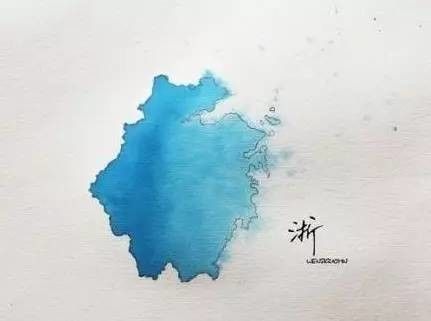
Zhejiang. (Image from the web)
Zhejiang Province
丽水 (Lishui): 丽 is read lí, as in the Thousand Character Classic: “gold is born in Lishui”
台州 (Taizhou): 台 is read tāi, likewise the 台 of Mount Tiantai
嵊州 (Shengzhou): 嵊 is read shèng
鄞县 (Yin County): 鄞 is read yín
诸暨 (Zhuji): 暨 is read jì; the hometown of Xi Shi
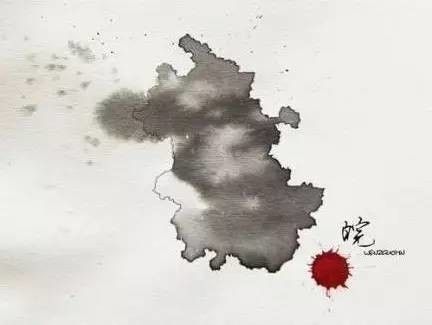
Anhui. (Image from the web)
Anhui Province
歙县 (She County): here 歙 is read shè; it has more than one reading and is also read xī
六安 (Lu’an): 六 is read lù; there is a tea called “Lu’an Guapian”
亳州 (Bozhou): 亳 is read bó; note it has one stroke fewer than the 毫 of 毫毛 (fine hair)
枞阳 (Zongyang): 枞 is read zōng; it has more than one reading and is also read cōng
黟县 (Yi County): 黟 is read yī
濉溪 (Suixi): 濉 is read suī
蚌埠 (Bengbu): pronounced bèng bù
砀山 (Dangshan): 砀 is read dàng
Fujian Province
长汀 (Changting): 汀 is read tīnɡ, as in “the white sand on the islet (汀) cannot be seen”
琯江 (Guanjiang): 琯 is read guǎn
东庠 (Dongxiang): 庠 is read xiáng; note the radical; locals read it xiǎng
曾厝垵 (Zengcuo’an): pronounced zēng cuòān; 垵 should properly be read in the third tone, but locals generally read it in the first tone
篔簹湖 (Yundang Lake): 篔簹 is yún dāng, a kind of bamboo; Han Yu wrote a poem about it:
“The yundang bamboos vie to grow slender shoots; the azaleas idly open their bright flowers.”
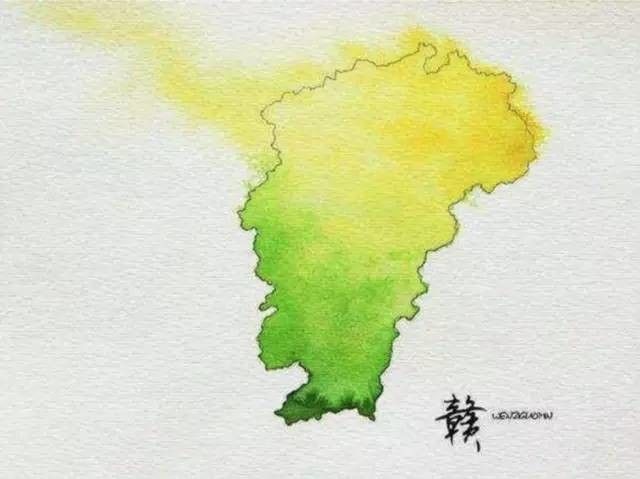
Jiangxi. (Image from the web)
Jiangxi Province
铅山 (Yanshan): 铅 is read yán, not qiān; a reading used only in this place name
钤山 (Qianshan): 钤 is read qián
婺源 (Wuyuan): 婺 is read wù; misread the name of this tourist hotspot and you won’t be able to buy a ticket
弋阳 (Yiyang): 弋 is read yì
长堎 (Changleng): 堎 is read lèng; this town faces the Tengwang Pavilion across the river
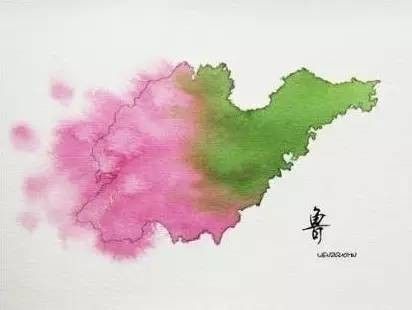
Shandong. (Image from the web)
Shandong Province
莒县 (Ju County): 莒 is read jǔ, not lǔ
茌平 (Chiping): 茌 is read chí
临朐 (Linqu): 朐 is read qú
郯城 (Tancheng): 郯 is read tán
曲阜 (Qufu): the correct reading is qūfù; the hometown of Confucius
鄄城 (Juancheng): 鄄 is read juān, not yān
芝罘 (Zhifu): 罘 is read fú, a kind of hunting net; the First Emperor of Qin once erected a stone here to praise his virtue
