

This English version was translated from the Chinese original with AI assistance. The Chinese text is authoritative.
On certain special occasions, traditional characters are often needed. People who have never systematically studied traditional characters tend to assume that whatever has more strokes must be the corresponding traditional character, and so they make mistakes when converting from simplified to traditional: for example, turning “皇后” (huánghòu, “empress”) into “皇後”, “准许” (zhǔnxǔ, “to permit”) into “準許”, or “理发” (lǐfà, “haircut”) into “理發”, making fools of themselves by pretending to know what they don’t. Here we have compiled some of the uses of simplified and traditional forms, so that friends who are not familiar with converting between simplified and traditional characters can study them and avoid similar mistakes in future. Although traditional characters are rarely used in daily life, don’t wait until “you need the books and regret having read too few”!
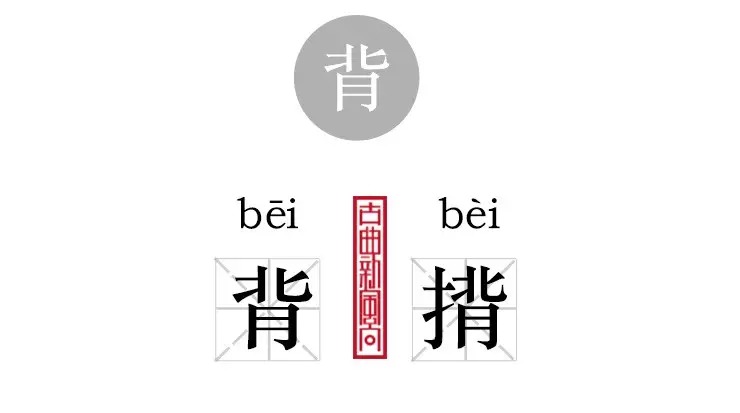
背 (背, 揹) bēi, bèi
When read bēi, it means to carry on the back, and the corresponding traditional character is “揹”, as in “背负 (to shoulder), 背包 (backpack), 背带 (strap), 背包袱 (to carry a burden), 背着老人趟过河 (to carry an old person on one’s back across a river)”. None of the meanings read bèi has a corresponding traditional character; “背” is itself the original character, as in “背面 (the back side), 背离 (to depart from), 背井离乡 (to leave one’s hometown), 背光 (backlit), 背风 (leeward), 背影 (a figure seen from behind), 背诵 (to recite from memory), 背台词 (to memorize one’s lines), 背着人 (behind people’s backs, secretly), 耳背 (hard of hearing), 后背 (the back), 脊背 (the back), 背山面海 (backed by mountains, facing the sea)”.
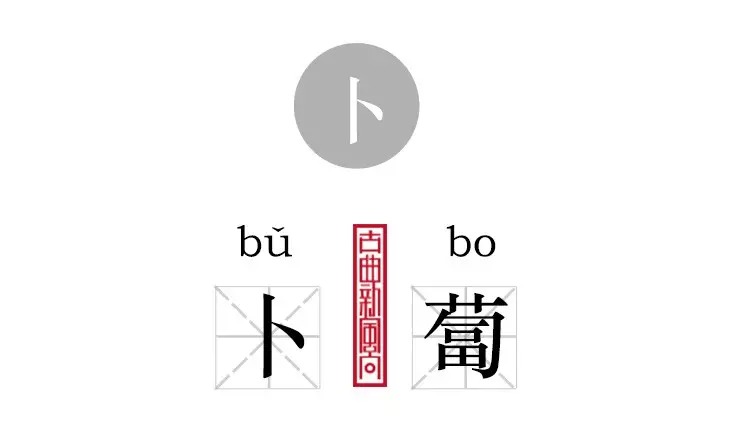
卜 (卜, 蔔) bǔ, bo (neutral tone)
When read bǔ it has two meanings: first, a surname, as in “卜桂英”; second, “占卜, 卜卦” (divination). In these two senses “卜” is the original character and has no corresponding traditional form. Only when read bo (neutral tone) in “萝卜” (luóbo, “radish”) does it have the corresponding traditional form “蘿蔔”.
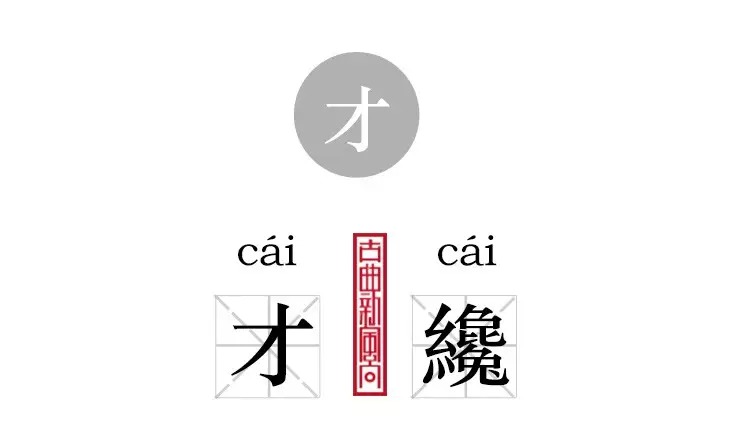
才 (才, 纔) cái
In the sense of “ability, or a person of some ability”, “才” is the original character and has no corresponding traditional form, as in “才干, 才能, 才学, 才华, 才艺, 才力, 才气 (all: talent, ability), 才子 (gifted scholar), 才女 (talented woman), 人才 (talented person), 天才 (genius), 庸才 (mediocrity), 口才 (eloquence), 才子佳人, 德才兼备, 才思敏捷, 才貌双全, 才高八斗, 才疏学浅”.
The corresponding traditional character is “纔” when “才” has the following senses: something has only just happened: “她才来,顾不上去看你” (she has only just arrived and hasn’t had time to see you); things were not so before and now a new situation has arisen: “他说了三遍,我才明白他的意思” (only after he said it three times did I understand); merely, a small quantity: “这个小村总共才有十几户人家” (this little village has only a dozen or so households in all); emphasis: “我才是班长呢!” (I’m the class monitor!); something happening very late: “到老才享上清福” (only in old age did he enjoy an easy life); or used with “必须, 只有” (must, only) to express a situation arising from a certain cause: “只有坚持到底,才能取得胜利” (only by persevering to the end can we win). Only “才” in senses of this kind can be converted to “纔”.
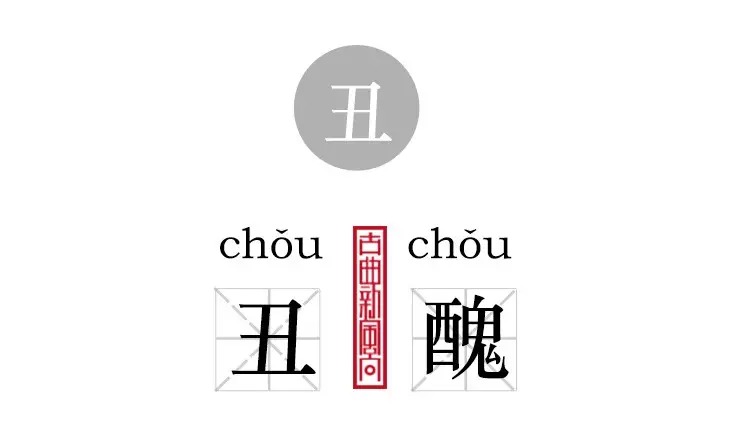
丑 (丑, 醜) chǒu
Originally the second of the twelve Earthly Branches “子丑寅卯辰巳午未申酉戌亥” and also a role type in Chinese opera (the clown), it is used in words such as “丑时 (the chou hour, 1–3 a.m.), 丑年 (a chou year, e.g. 辛丑年), 丑牛 (the Ox of the chou branch)” as well as “丑角, 小丑, 文丑, 武丑, 名丑” (clown roles). In these senses “丑” is the original character and has no corresponding traditional form.
The traditional character “醜”, meaning “ugly, repulsive, disgraceful”, was simplified by borrowing the homophone “丑”, which has fewer strokes. So only “丑” in words of this kind, such as “丑事 (scandal), 丑闻 (scandal), 丑陋 (ugly), 丑八怪 (ugly creature), 丑女 (ugly woman), 丑态 (disgraceful behavior), 出丑 (to make a fool of oneself), 献丑 (to show one’s poor skill), 家丑不可外扬 (don’t wash dirty linen in public)”, may be converted to “醜”.
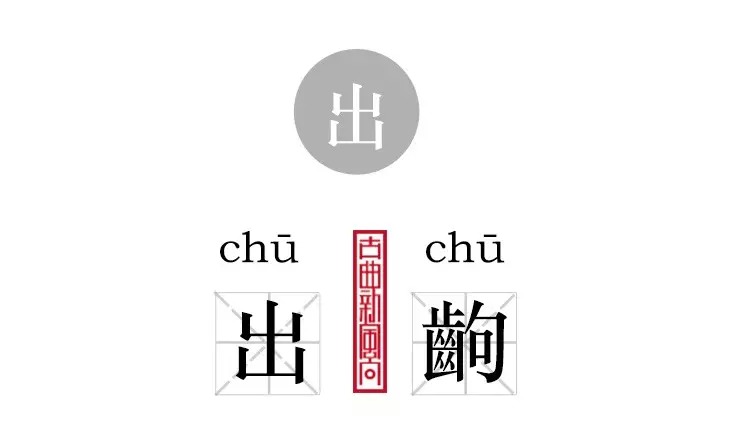
出 (出, 齣) chū
When used as a measure word for sections of an opera or for plays, “出” has the corresponding traditional form “齣”, as in “《沙家浜》里最精彩的一出是《智斗》” (the most exciting scene in Shajiabang is “Battle of Wits”); here “出” can be converted to “齣”. But in other senses of “出”, as in “出来, 出现, 出版, 出场, 出手, 出击, 出汗, 出产, 出品, 出口, 出山, 出题, 出名, 出动, 演出, 产出, 献出, 进出”, “出” cannot be changed into “齣”.
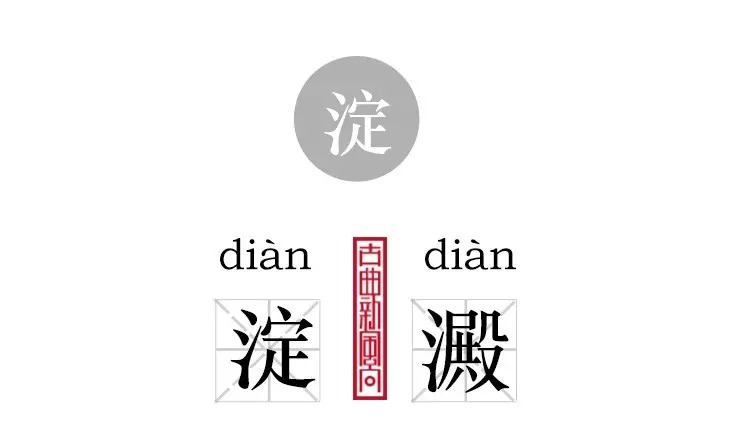
淀 (淀, 澱) diàn
This character has two meanings. In the sense of a shallow lake, “淀” is the original character and has no corresponding traditional form, as in “海淀区” (Haidian District) in Beijing and “白洋淀” (Baiyangdian Lake) in Hebei Province. In the sense of “淀粉 (starch), 沉淀 (sediment)”, the corresponding traditional character is “澱”. Some people have printed “海淀区” on their business cards as “海澱區”, which is wrong.
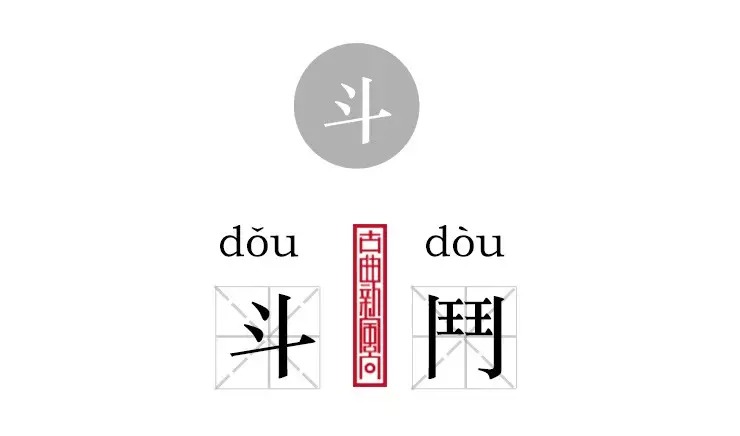
斗 (斗, 鬥) dǒu, dòu
When read dǒu, “斗” is the original character and has no corresponding traditional form, as in the units of capacity “合 (gě), 升, 斗, 石 (dàn)”, the “斗” that was formerly a vessel for measuring grain, and related words such as “斗方, 斗车, 斗笠, 斗胆, 斗拱, 斗篷, 挎斗, 星斗, 才高八斗, 北斗星 (the Big Dipper), 斗转星移”; in none of these can “斗” be written “鬥”.
Only when read dòu, meaning “to struggle, to fight, to compete”, can it be written “鬥”. Such words include “斗争, 斗法, 斗鸡, 斗牛, 斗殴, 斗气, 斗士, 斗志, 斗智, 斗嘴, 斗心眼儿, 争奇斗艳, 战斗, 打斗, 争斗, 格斗, 搏斗, 智斗, 明争暗斗”. Discarded variant forms of “鬥” also include “閗, 闘, 鬭”.
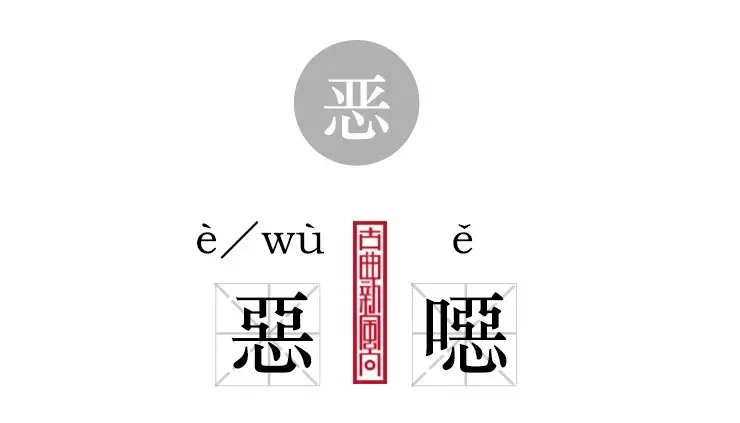
恶 (恶, 噁) è, wù, ě
When read è and wù, the corresponding traditional character is “惡”, as in “恶人, 恶霸, 恶棍, 恶感, 恶化, 恶劣, 恶病, 恶果, 恶魔, 恶习, 恶少, 恶性, 恶浊, 恶意, 恶作剧, 恶语伤人, 恶贯满盈, 凶恶, 作恶多端, 穷凶极恶” (è, “evil, bad”) and “好恶, 厌恶, 好逸恶劳, 深恶痛绝” (wù, “to loathe”).
When read ě, the corresponding traditional character is “惡” or “噁”, as in “恶心” (ěxin, “nauseated”).
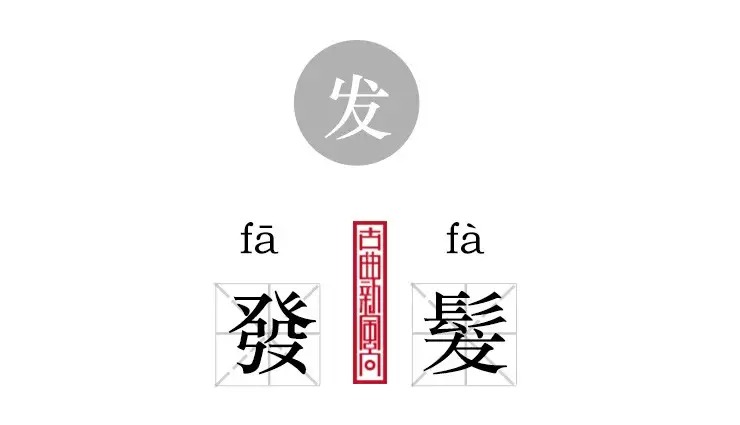
发 (發, 髮) fā, fà
Words corresponding to “發” (fā, “to send out, to develop”) include “发展, 发动, 发现, 发明, 发财, 发疯, 发表, 发病, 发行, 发面, 发薪, 发达, 发芽, 发射, 发电, 发生, 发火, 发愁, 发车, 发布, 发抖, 发射, 颁发, 散发, 印发, 引发, 拨发, 分发, 奋发, 出发, 生机勃发, 发愤图强”, and so on.
Words corresponding to “髮” (fà) all relate to hair, such as “头发 (hair), 长发, 短发, 发型, 鬈发, 秃发, 美发, 理发, 发夹, 发卡 (qiǎ), 令人发指, 发油, 发蜡, 发乳, 发式, 发妻, 发小 (a childhood friend), 发廊, 假发, 染发”. Some small shops write “美容美发” (beauty and hairdressing) as “美容美發”, which is laughable.
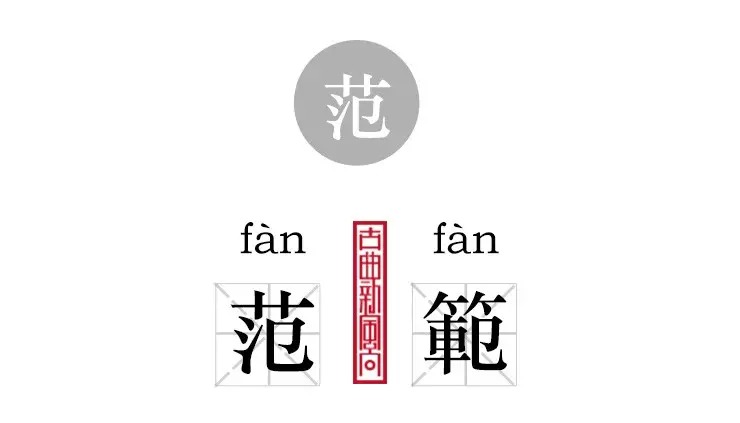
范 (范, 範) fàn
“范” was originally a character used for a surname; that is, as a surname it has no corresponding traditional form. When “範” was simplified, it borrowed the homophone “范”, so “范” in “模范, 规范, 师范, 示范, 就范, 防范, 范畴, 范本, 范围, 范例, 范文, 范性” can all be converted to “範”. Just be careful not to write the surname “范” as “範”, or Mr. and Ms. Fan will take issue with you.
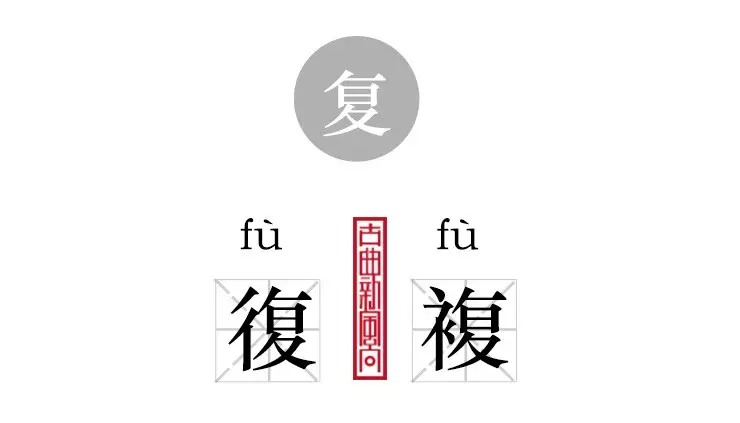
复 (復, 複) fù
“复” has two corresponding traditional characters: “復” and “複”.
“復” means “to come back, to go back, to restore, again”. Words whose corresponding traditional character is “復” include “反复, 往复, 答复, 批复, 回复, 恢复, 复兴, 复辟, 复出, 复仇, 复印, 复学, 复习, 复读, 复明, 复函, 复工, 复古, 复审, 复查, 复活, 复制, 复职, 复交, 一去不复返, 复发, 复课, 复旧, 复刊, 复婚, 复兴, 复旦大学 (Fudan University)”, and so on.
“複” means not single, multiple. Words whose corresponding traditional character is “複” include “复合, 复方, 复杂, 复句, 复数, 复线, 复写纸, 复音, 复眼, 复叶, 复姓, 繁复, 复式教学班, 复式住宅”, and so on.
Whether to convert “复” into “復” or “複” requires working out what the meaning is; never take it for granted.
Note that “覆” has nothing to do with “复”. The “覆” of “覆盖 (to cover), 颠覆 (to overturn), 天翻地覆 (heaven and earth turned upside down)” cannot be written “复”.
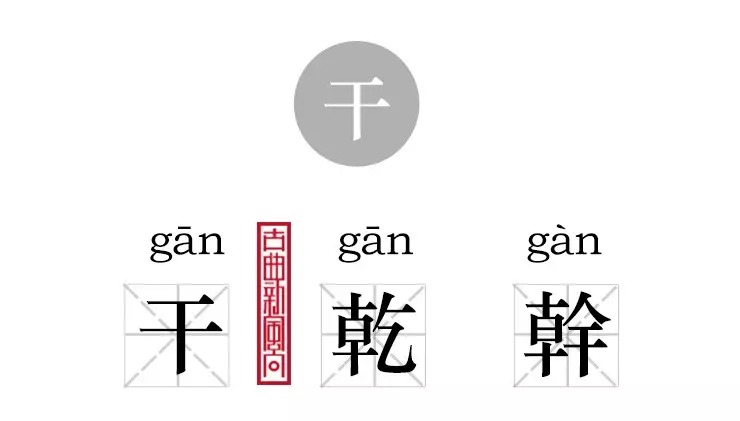
干 (干, 乾, 幹) gān, gàn
When read gān, “干” has several meanings. First, the “干” of the “Heavenly Stems” (天干), in related words such as “天干地支, 干支纪年” (the stems-and-branches calendar); second, “to offend, to disturb, or to be connected with”, in related words such as “干涉, 干扰, 相干, 干犯, 干预, 干政, 干系”; third, “shield”, as in “干戈 (weapons, war), 干城 (defender)”. In these senses “干” is the original character and has no corresponding traditional form. The famous sword-smith of the Warring States state of Wu, “干将”, is read Gānjiāng, and this “干” also has no corresponding traditional form.
When read gān, “干” also means “dry, having little moisture, exhausted, in vain, empty of content, a sworn kinship relation”. In these senses the corresponding traditional character is “乾”, in related words such as “干燥, 干枯, 干旱, 干涸, 干净, 干杯, 干粮, 干菜, 干草, 干果, 干电池, 干爹, 干姐妹, 饼干, 肉干, 杏干, 老白干 (a liquor), 干红 or 干白 (dry red or dry white wine), 干坐两个小时 (to sit idly for two hours)”, and so on.
When read gàn, the corresponding traditional character is “幹”. Common related words include “干部, 干练, 干事, 干将 (a capable person), 干活儿, 干劲, 干道, 干线, 干渠, 干流, 树干, 主干, 精干”, and so on.
Incidentally, “乾” is read qián in “乾坤 (heaven and earth), 乾隆 (the Qianlong Emperor)” and in personal names, and cannot be simplified to “干”.
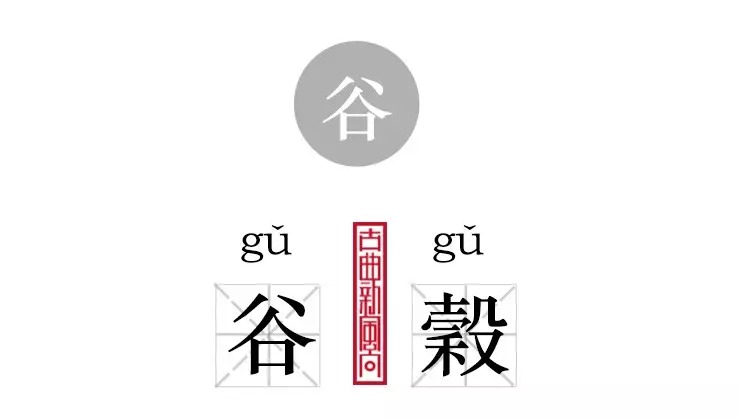
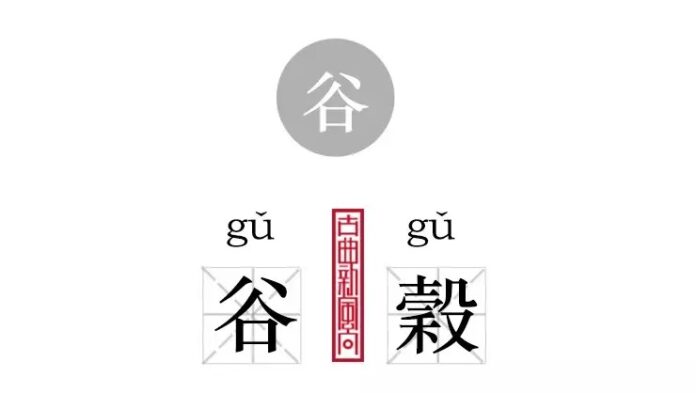
谷 (谷, 穀) gǔ
“谷” has three meanings:
First, a long narrow passage between two mountains, or similar meanings, as in “山谷, 河谷, 深谷, 低谷, 波谷, 谷地, 谷底”;
second, a surname, as in “谷文月”. In these two senses “谷” has no corresponding traditional form.
Third, grain crops; in this sense the corresponding traditional character is “穀”, as in “五谷 (the five grains), 稻谷, 谷物, 谷子, 谷穗, 谷壳, 谷草, 谷粒儿, 谷仓, 谷苗, 谷糠, 谷雨 (Grain Rain, a solar term)”, and so on.
后 (后, 後) hòu Image caption
“后” has two meanings:
First, the principal wife of a sovereign or emperor, as in “后羿 (Houyi), 三后 (referring to Yu of Xia, Tang of Shang and King Wen of Zhou), 皇后, 王后, 太后, 后妃”. In this sense “后” has no corresponding traditional form and cannot be written “後”.
Second, what comes later in time, position or order. In this sense the original character of “后” is “後”, which was simplified by borrowing the homophone “后” with fewer strokes. Related words include “后面, 后头, 后来, 后手, 后首, 后宫, 后院, 后备, 后辈, 后生, 后援, 后勤, 后背, 后天, 后妈, 后代, 后怕, 绝后, 后世, 后事, 事后, 过后, 善后, 饭后, 日后, 嗣后, 身后 (after one’s death), 人前人后, 思前想后”, and so on.
