

This English version was translated from the Chinese original with AI assistance. The Chinese text is authoritative.
Yaowen Jiaozi (“Chewing Words”), known as “the woodpecker of the language forest,” recently published the top ten language errors of 2017. Hit TV dramas and famous TV programs became the “hardest-hit areas” of language errors.
1. Misreading a name on television
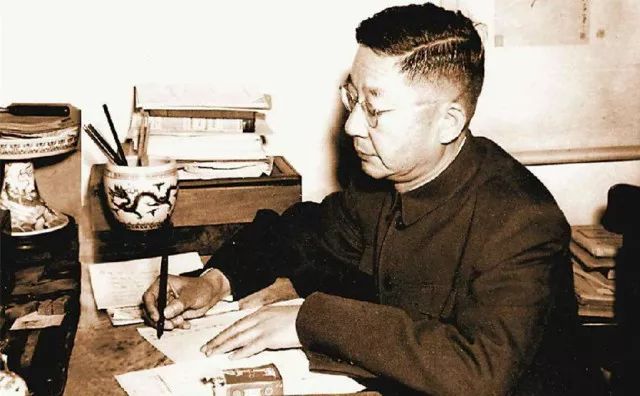
In CCTV’s program The Reader, which began airing in February 2017, Pu Cunxin and Dong Qing stressed that the 舍 in Lao She’s name should be read shè, which had a great influence on viewers. In fact this lacks any basis; the correct reading is shě. 舍 has two readings, shě and shè. Read shě, it means to give up; read shè, it means a house. Lao She’s original name was Shu Qingchun, his courtesy name Sheyu (舍予), and his pen name Lao She. Sheyu means giving up the self, selflessness; 舍 means to give up and should be read in the third tone. The 舍 of Lao She and the 舍 of Sheyu are pronounced the same. According to the recollections of relatives and friends, Lao She himself read it shě during his lifetime. If read shè, “Lao She” would become “old house,” which is clearly not the meaning of this pen name.
2. A wrong character in song publicity
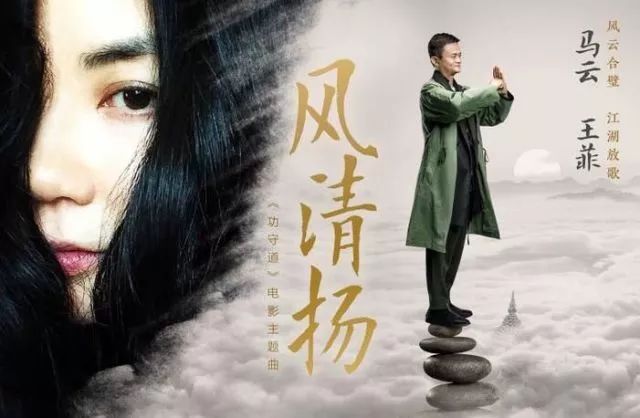
“Feng Qingyang,” sung as a duet by Jack Ma and Faye Wong, wrote the 蘋 of “青蘋之末” wrongly as 萍. “青蘋之末” comes from Song Yu’s “Rhapsody on the Wind”: “The wind is born from the earth and rises from the tips of the green ping (青蘋).” 青蘋 is a herbaceous plant whose stem lies in the mud of shallow water, with leafstalks reaching above the surface; whenever there is wind on the water, it sways gently like an anemometer. “The tips of the green ping” are its leaf tips. Later generations used “the tips of the green ping” as a metaphor for things in their budding stage. 萍 refers to duckweed, an aquatic plant whose leaves lie flat on the water and do not rise with the wind. “The wind rises from the tips of the duckweed” makes no sense.
3. A mispronunciation in a hit TV drama
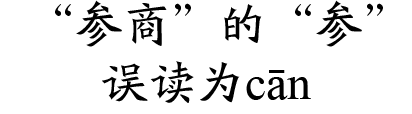
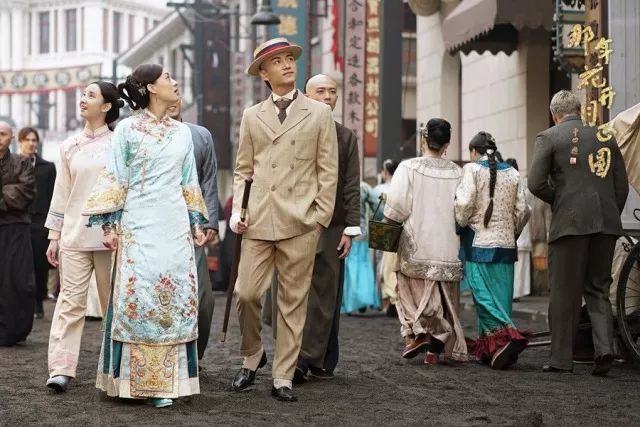
In the 2017 hit TV drama The Story of a Merchant Lady there is the line “人生不相见,动如参与商” (“In life we do not meet, moving like Shen and Shang”), and the actor read 参 as cān; the correct reading is shēn. The line comes from Du Fu’s poem “To the Recluse Wei the Eighth.” 参 and 商 refer to the Shen star and the Shang star, both among the twenty-eight lunar mansions. Shen is in the west and Shang in the east; when one rises the other sets, and they never appear in the sky at the same time. People often use “Shen and Shang” as a metaphor for relatives and friends who, once parted, cannot meet again. When 参 is read cān it means to join, take part in, consult and so on, which has nothing to do with the line above.
4. A wrong word in reports of a “child abuse” incident
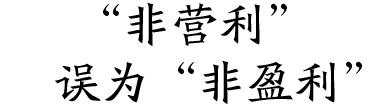
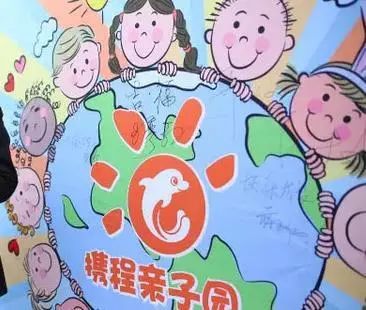
In November 2017, the “Ctrip parent-child center child abuse” incident in Shanghai exploded in the media and shocked society. Some media, referring to the organization involved, called it a “非盈利组织”; the correct expression is “非营利组织” (non-profit organization). 营利 means seeking profit. A “营利组织” is an organization whose purpose is to make a profit, while a “非营利组织” is an organization not aimed at making a profit, usually schools, hospitals, research institutions, libraries, social welfare institutions and so on. The difference between the two lies in whether the purpose of their operation is to make a profit. 盈利 refers to the profit after costs are deducted; 非盈利 means producing no profit, which clearly does not fit the nature of a non-profit organization.
5. Confused concepts in disaster reporting
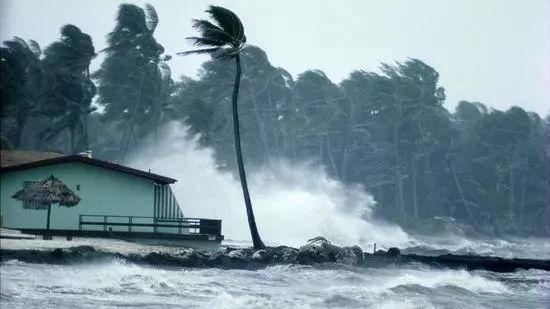
In August 2017, Hurricane Harvey made landfall in the United States, bringing a huge natural disaster to the area. Many media reporting on the event wrongly called “Harvey” a “typhoon.” What is a “hurricane” and what is a “typhoon” is distinguished in meteorology by geographical location: those occurring in the Atlantic, the Gulf of Mexico, the Caribbean and the eastern North Pacific are called “hurricanes”; those occurring in the western North Pacific and the South China Sea are called “typhoons.” The tropical cyclone named “Harvey” formed in the Atlantic, so it was clearly a hurricane, not a typhoon.
6. Misuse of a legal term in social news reporting
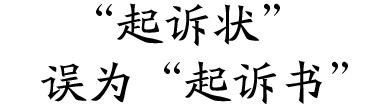
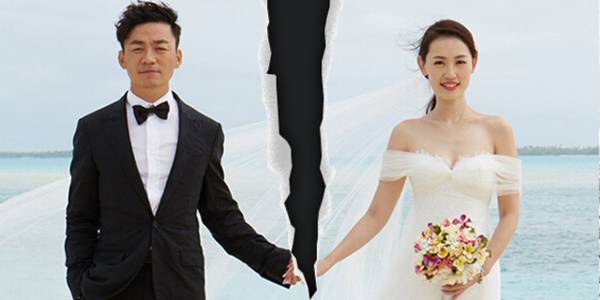
The much-publicized divorce of Wang Baoqiang became a hot topic again in 2017 when the court released new findings. Some media, reporting the news, wrongly called the “起诉状” (complaint) that Wang Baoqiang submitted to the court to sue for divorce a “起诉书” (indictment). A “起诉状” is a legal document submitted by a citizen, legal person or other organization to bring a suit before a people’s court. A “起诉书” is a legal document by which the people’s procuratorate, according to legal procedure, brings a public prosecution against a defendant before a people’s court on behalf of the state; it is also called a “公诉书.” The two are initiated by different parties and are two different legal documents.
7. Misuse of a word in film and TV credits

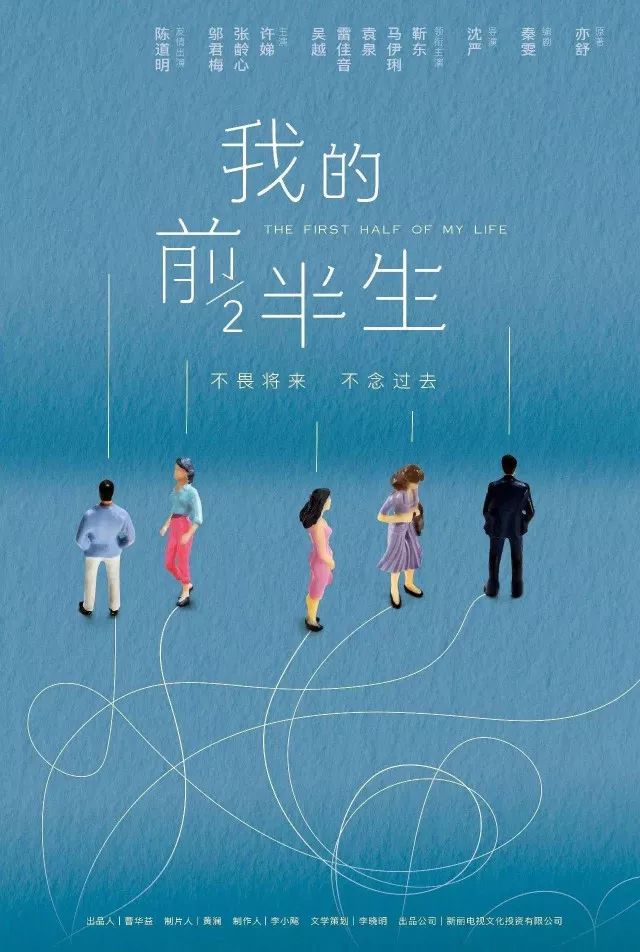
In film and TV credits there is often an item “领衔主演” (“leading star”), generally with several people listed side by side. This does not fit the original meaning of the word 领衔. 领衔 means the person whose name is listed first on a jointly signed document; later it also came to mean the actor listed first among the performers. Whatever the occasion, 领衔 can only be one person, not a group.
8. An inappropriate polite phrase

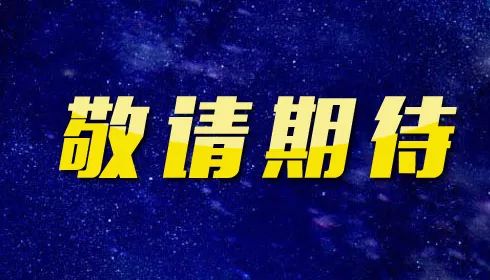
Among social polite expressions, “敬请期待” (“we respectfully ask you to look forward to it”) is becoming popular. When a shop is about to open, the merchant always hangs a banner: “Opening soon — 敬请期待.” When a TV series is about to air, the station also puts out a trailer: “Premiering soon — 敬请期待.” The humble 敬请 (“respectfully request”) and the presumptuous 期待 (“look forward to”) form a strange combination. 期待 means waiting full of expectation, an expression of subjective feeling; forcing others to “look forward to” something is at the very least contrary to traditional etiquette. The correct usage is “敬请赐候” (“we respectfully ask you to honor us with your wait”).
9. A wrong word in reports on social administration
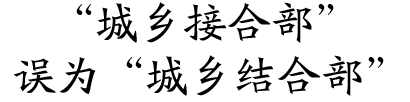
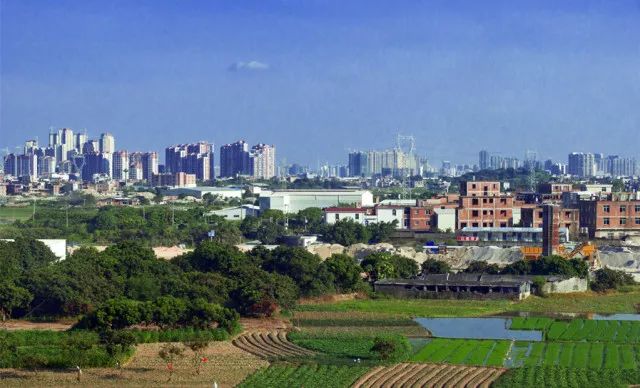
接合 means to join together; 结合 means that people or things become closely linked and coalesce into a whole. “城乡接合部” (“urban-rural junction”) refers to the transitional zone between city and countryside; these areas are often complex in administrative division and usually combine urban and rural land-use characteristics. Since “city” and “country” are only geographically adjacent, not organizationally combined, it should not be written “城乡结合部.”
10. A wrong phrase in commercial advertising
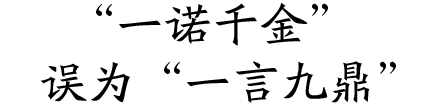
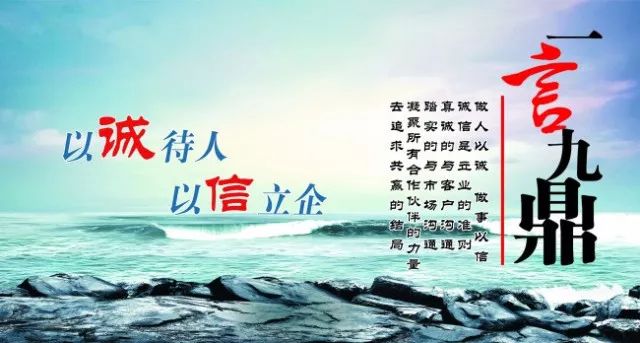
A decoration company promised on television to complete home renovations in nineteen days, with a fine of one thousand yuan for each day of delay, and ran huge advertisements in newspapers with the slogan “一言九鼎十九天” (“A word as weighty as nine tripods — nineteen days”). Similar errors are also seen in other commercial publicity, such as “Shipped the same day — 一言九鼎.” All these 一言九鼎 should be changed to 一诺千金 (“a promise worth a thousand pieces of gold”). 一诺千金 comes from the Records of the Grand Historian: “Getting a hundred jin of gold is not as good as getting a promise from Ji Bu.” Later 一诺千金 was used to mean that one’s word can be relied on. The “nine tripods” are said to be nine tripods cast by Yu of Xia, which later became the state treasures handed down through the Xia, Shang and Zhou dynasties; 一言九鼎 means a word as weighty as the nine tripods, describing words of great weight and power. When merchants use 一诺千金 they mean to show they keep their promises; using 一言九鼎 becomes self-aggrandizement.
